Stroke Patient Rehabilitation
Compartir
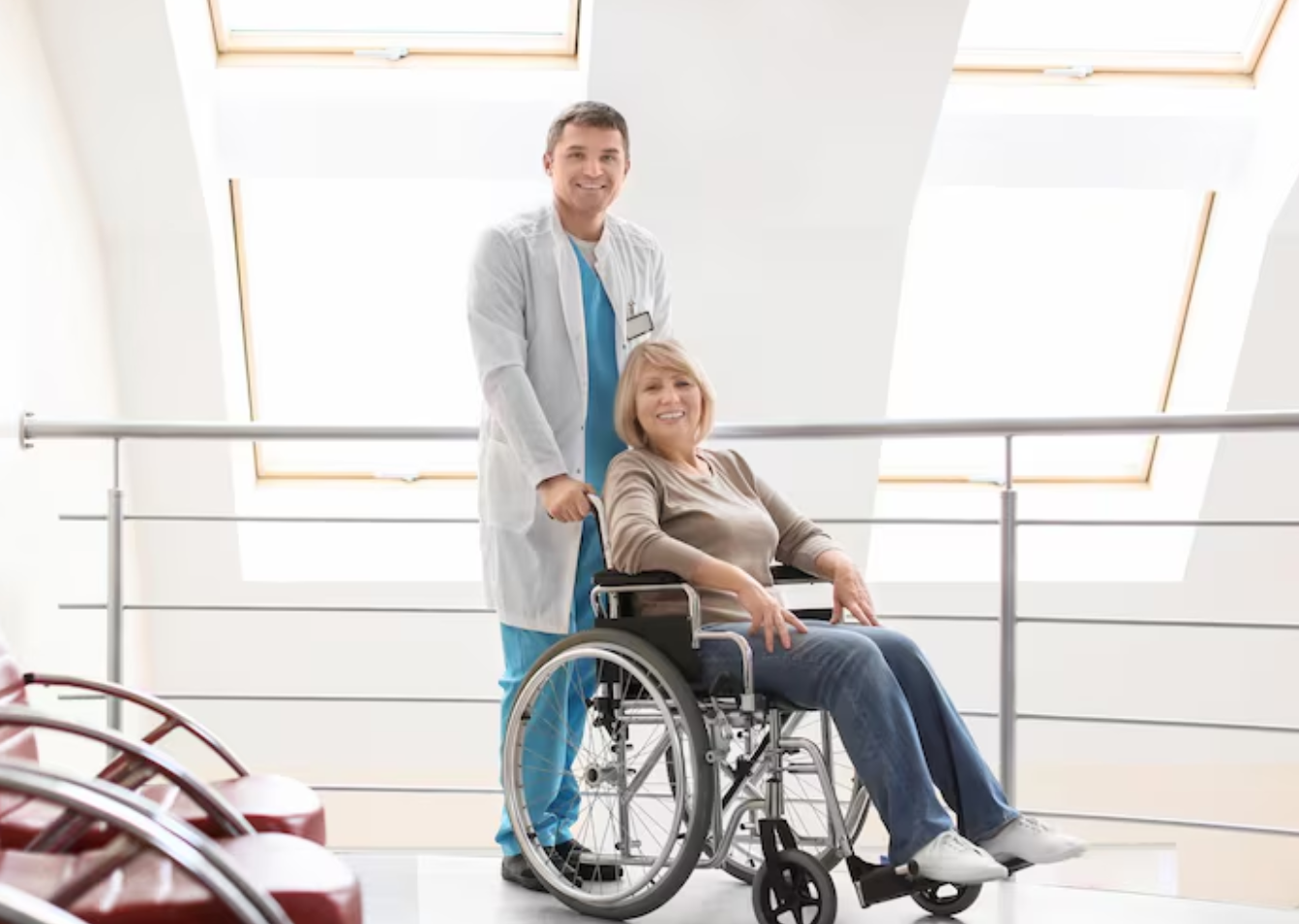
The rehabilitation process is usually divided into three key stages.
1. Acute Phase (1-4 weeks after onset): Laying the foundation and preventing complications
Stabilize the condition and prevent secondary injuries such as muscle atrophy, joint contractures, and deep vein thrombosis. Focus: Under medical guidance, perform proper limb positioning, passive joint range of motion exercises, and active-assisted exercises on the bed. At this stage, the “seeds” of rehabilitation begin to sprout.
2. Recovery Phase (1–6 months after onset, especially the first 3 months — the ‘golden recovery period’)
Maximize the recovery of motor, sensory, language, and cognitive functions. Engage in intensive, highly targeted active functional training, such as sitting-to-standing transfers, balance training, gait training, and daily living skills training. During this phase, neural plasticity is at its peak, making it a critical window for functional improvement.
3. Sequelae Phase (After 6 Months of Onset): Compensation and Adaptation, Improving Quality of Life
Through intensive training and adaptive strategies, overcome residual impairments and return to family and society.Intensive training, skill relearning, environmental modifications, and the use of assistive devices. Rehabilitation is a lifelong process; continuous practice is necessary to maintain and gradually improve function.
The Importance of Modern Rehabilitation Equipment
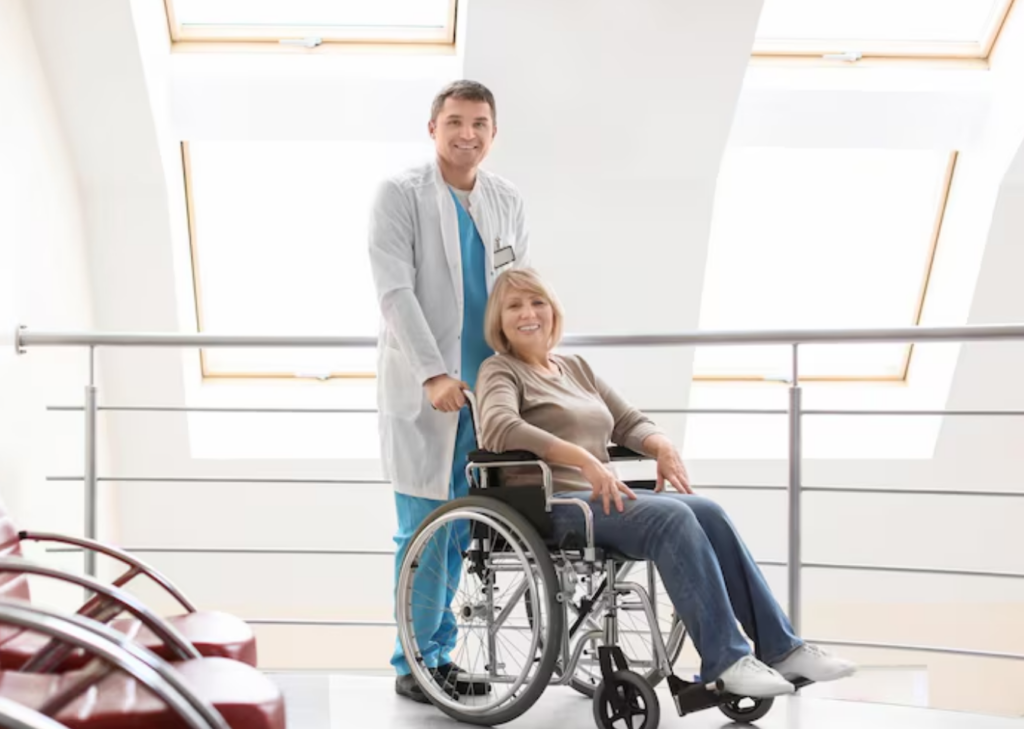
Traditional ‘one-on-one’ manual therapy is essential, but it has limitations in terms of intensity, precision, and consistency. Modern rehabilitation equipment was developed to overcome these limitations; it is not just a tool, but also an ‘extended rehabilitation therapist’.
What qualitative changes can they bring to rehabilitation?
1. Precise quantification, saying goodbye to vague perceptions: The device can objectively measure joint range of motion, muscle strength, and balance parameters, making progress ‘visible,’ greatly boosting patient confidence and therapist decision-making accuracy. 2. High repeatability and intensity: Provides continuous, stable, and accurate exercise patterns, which is the foundation for promoting brain neuroplasticity. 3. Motivation and immersion: Through gamified interactions and virtual reality scenarios, monotonous training becomes enjoyable, significantly increasing active participation. 4. Safety assurance: Training is conducted with weight reduction and protective structures, allowing early and safe attempts while reducing the risk of falls.

Accinte: Su socio de confianza en soluciones médicas
Con una sólida base en I+D y más de 20 años de experiencia multidisciplinar, compartimos contenidos elaborados por expertos para ayudar a los profesionales sanitarios, socios y pacientes a mantenerse informados e inspirados. Tanto si se trata de avances en productos como de desarrollos normativos o terapias emergentes, le mantenemos conectado con lo más importante.
Última publicación
Categoría de productos
related Post
-
El profesor Eric Bohemia visita ACCINTE para un intercambio académico y de I+D
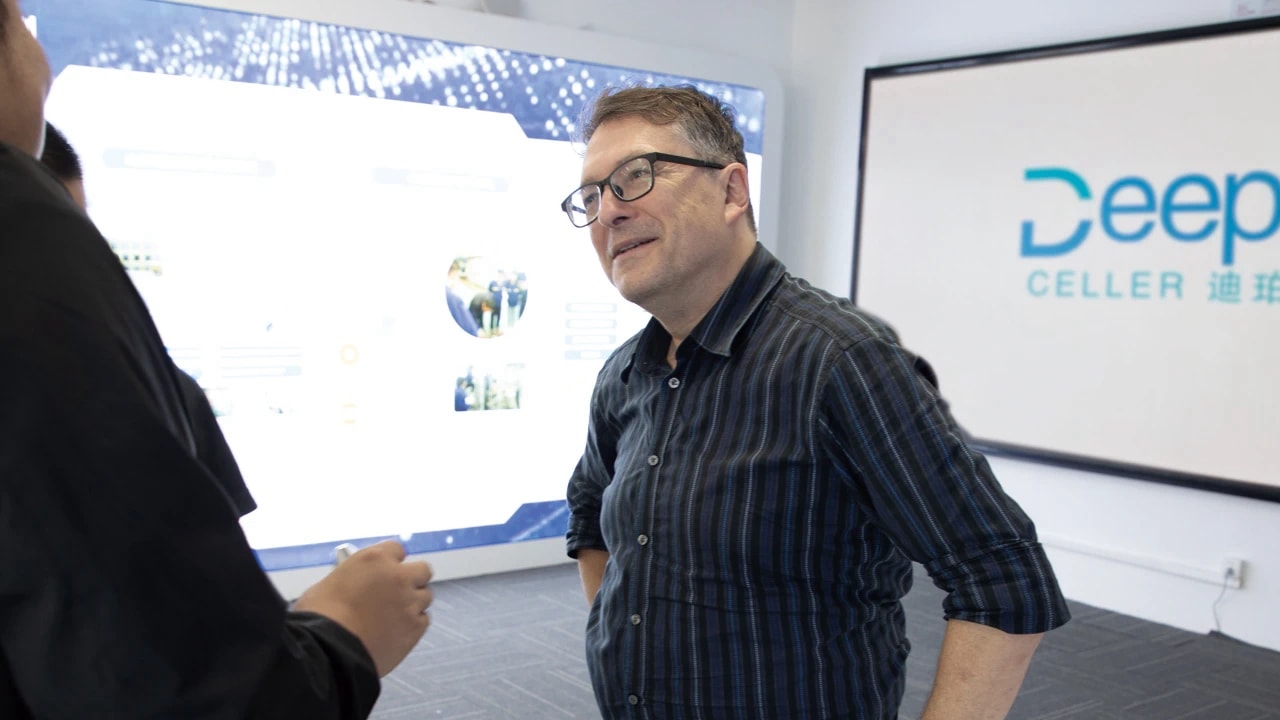
El profesor Eric Bohemia, presidente de la International Society for Academic Research on Design Innovation Management, miembro del consejo de la International Society for Design Theory y director del doctorado en la Universidad de Loughborough (Reino Unido), visitó nuestra empresa para realizar un intercambio. El profesor Eric ha alcanzado una excelencia mundialmente reconocida y ejerce una profunda influencia en…
-
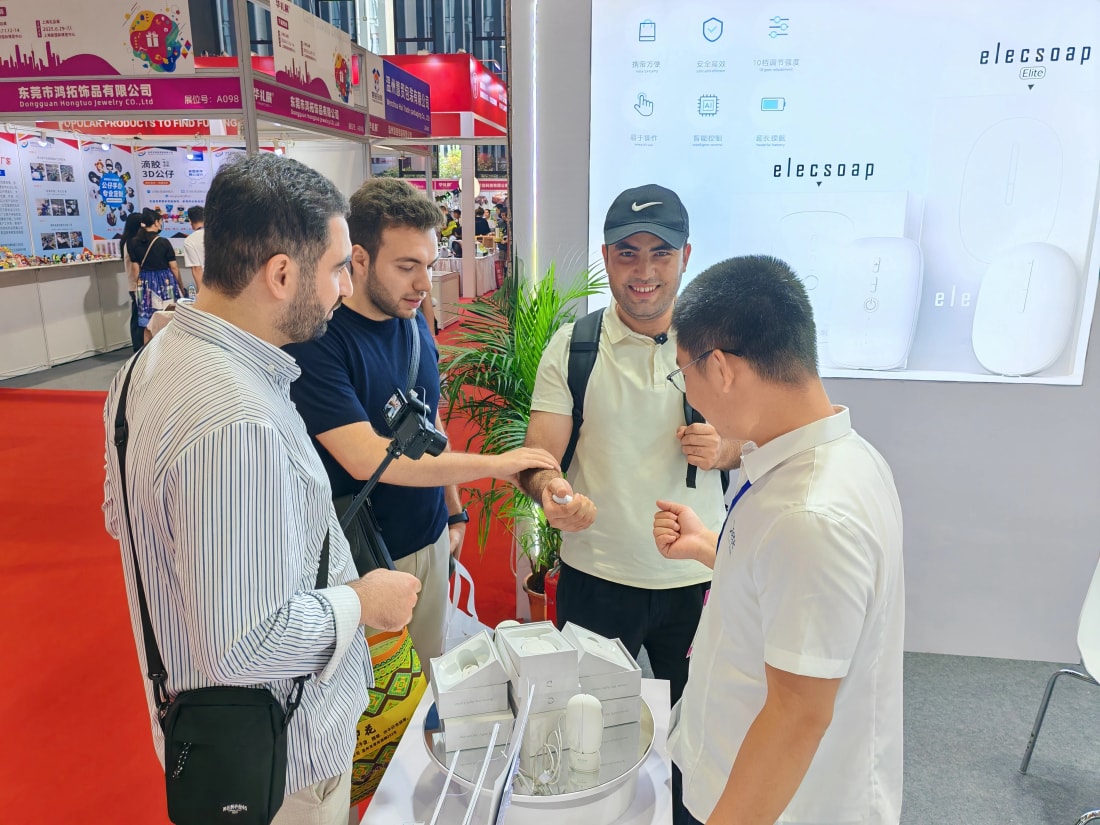
Buena acogida de Elecsoap en la feria del sector
El masajeador de manos Elecsoap recibió grandes elogios de muchos visitantes durante la exposición, gracias a su innovadora tecnología y su cómodo manejo. El personal de la feria respondió pacientemente a las preguntas de los visitantes, les asesoró con profesionalidad y mantuvo un intenso intercambio con ellos.
-
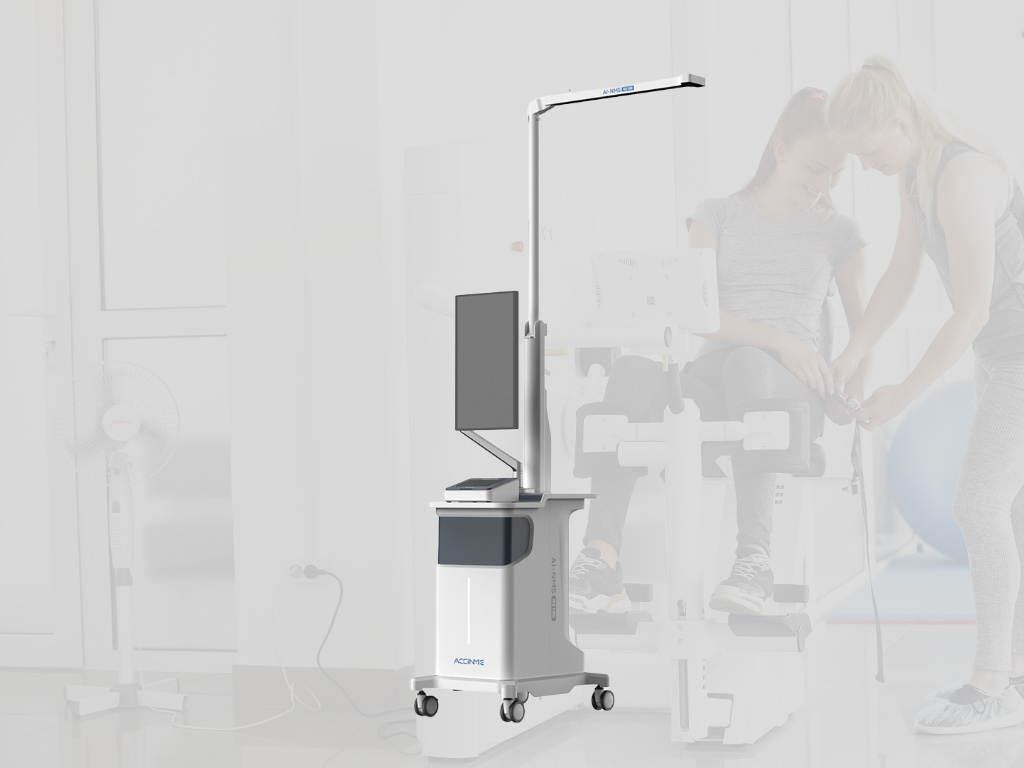
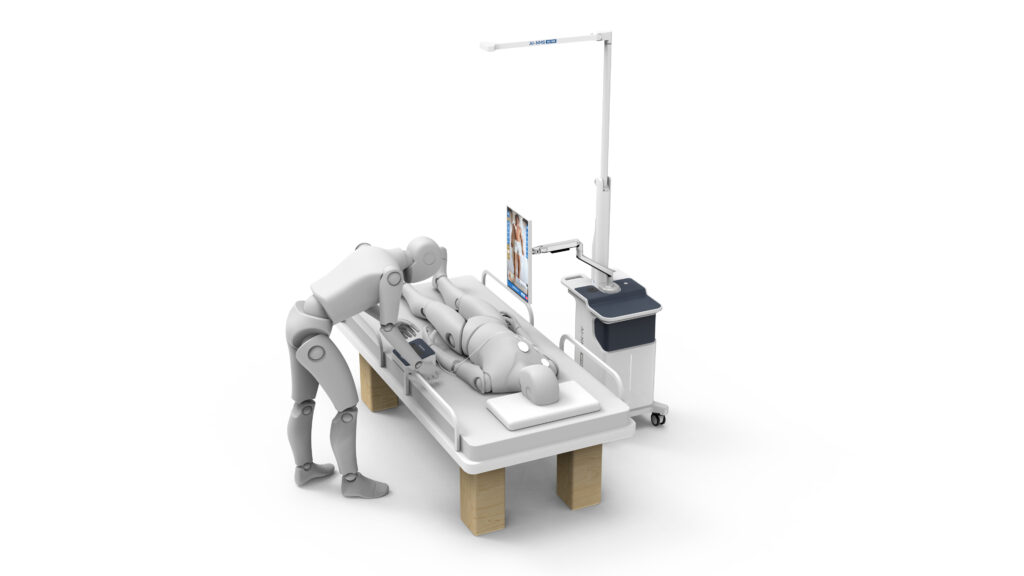
El problema: por qué los dispositivos de rehabilitación tradicionales se quedan cortos
Durante décadas, los dispositivos de rehabilitación de baja/media frecuencia han adolecido de un defecto crítico: la imprecisión de la estimulación neuromuscular, que a menudo pasa por alto puntos motores, lo que retrasa la recuperación y reduce la confianza del paciente. AI-NMS RS100 lo cambia todo: aprovecha la IA para ofrecer una precisión milimétrica que antes era imposible con las herramientas convencionales. El gran avance: Orientación de precisión impulsada por IA Este sistema inteligente supera los errores de orientación utilizando tecnología de vanguardia: ✅…