How Fascial Massager Accelerates Post-Workout Recovery: Science & Usage
Share
Learn the science behind fascial massager for post-workout recovery! Find targeted usage for running, fitness, strength training, and how to use it properly to speed up muscle recovery & reduce soreness.
Fascial massagers (massage guns) have revolutionized post-workout recovery with scientific percussive therapy. Backed by sports medicine principles, they target the root causes of post-exercise discomfort, delivering fast, effective recovery that fits perfectly into modern fitness routines. This article breaks down the science of fascial massagers in post-workout recovery and shares targeted usage tips for different sports.
- Percussive Therapy: Target Deep Muscle & Fascia Layers
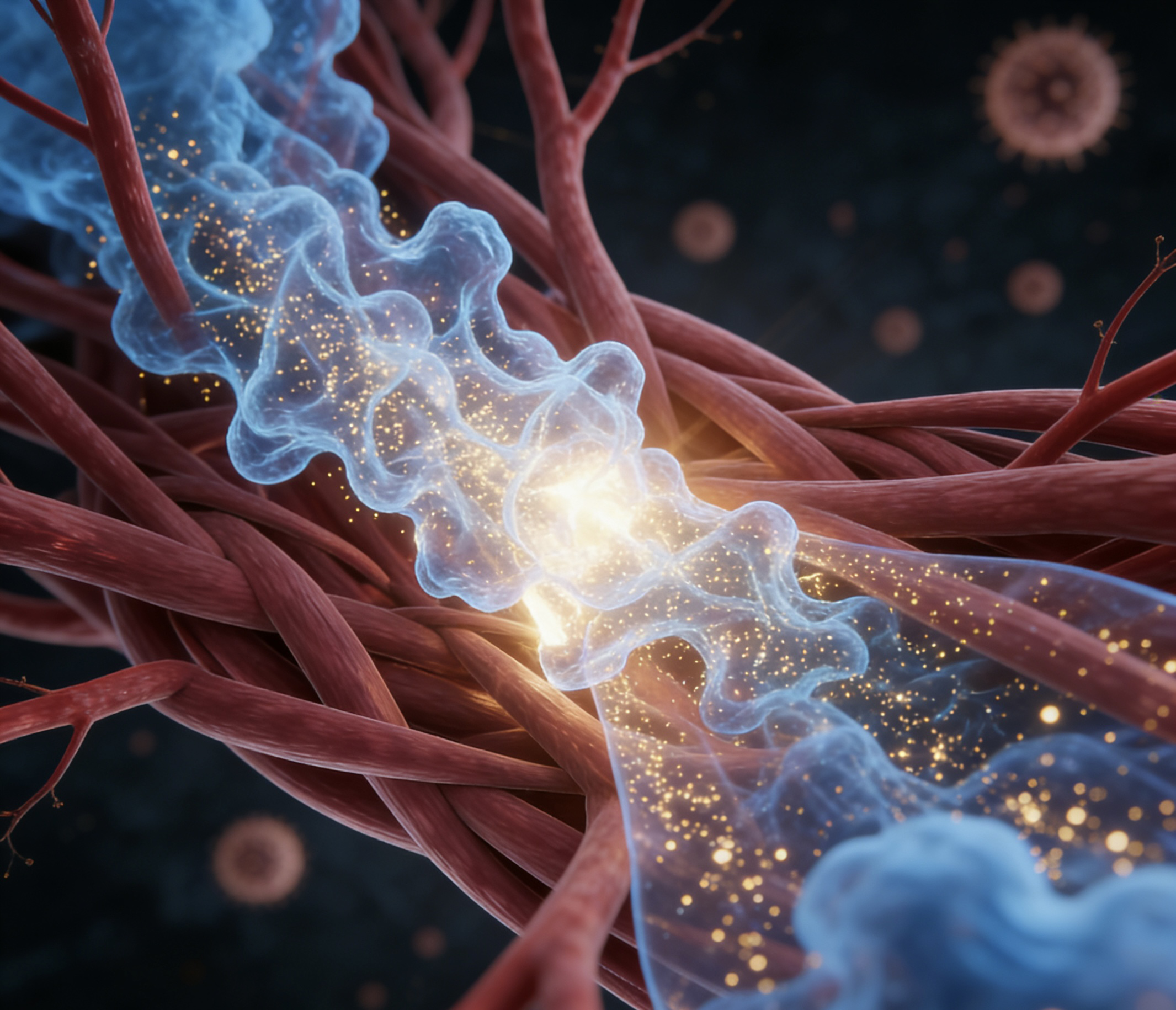
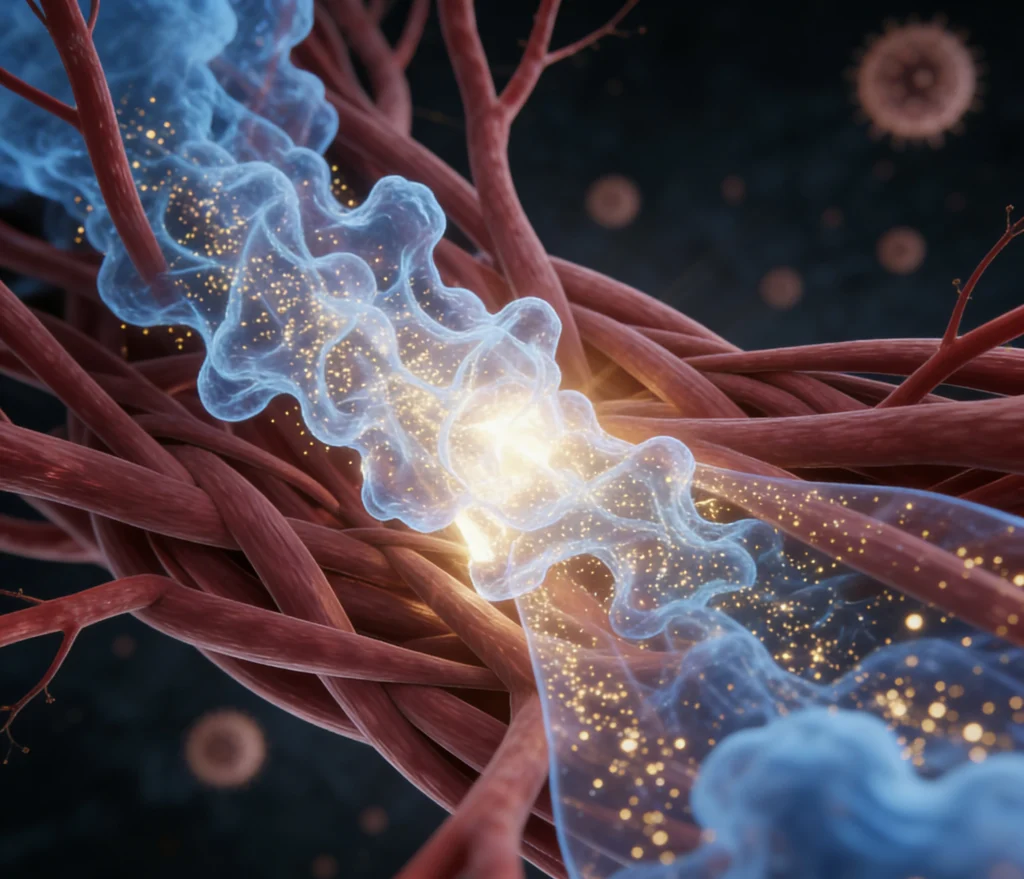
Unlike manual massage or surface stretching, fascial massagers use high-frequency, rhythmic percussive force to penetrate 3-5mm deep into muscle and fascia tissues. This targeted vibration stimulates mechanoreceptors in the muscles, blocking pain signals sent to the brain, instantly relieving post-workout soreness. It also breaks up tight muscle knots and fascial adhesions caused by repetitive exercise movements, restoring the natural sliding state of muscle and fascia.
2. Boost Blood & Lymphatic Circulation
Intense exercise restricts local blood flow, trapping metabolic waste like lactic acid and creatine kinase in muscle tissues, leading to soreness and fatigue. Fascial massagers dilate blood vessels through percussive stimulation, accelerating blood circulation to deliver oxygen and nutrients to damaged muscle fibers, while speeding up lymphatic drainage to flush out metabolic toxins. This scientific mechanism cuts recovery time by half compared to passive rest.
3. Reduce Muscle Spasm & Improve Flexibility Post-workout muscle spasms and tightness are caused by overworked muscle fibers staying in a contracted state. Fascial massagers relax contracted muscle fibers by regulating neuromuscular reflexes, relieving involuntary spasms, and increasing muscle and joint flexibility. Improved flexibility not only enhances next workout performance but also reduces the risk of strains and sprains.
3.1. Using immediately after exercise: Wait 10 minutes after stopping exercise to use, avoiding immediate massage that causes local congestion.
3.2 Too high intensity: Never use maximum gear directly; start low and adjust gradually to avoid muscle damage.
3.3 Massaging bones/joints: Avoid collarbones, knees, spine, and joints, only massage muscle tissue.
3.4 Overusing: Total usage time should be 10-15 minutes, no prolonged massage on one part.
Fascial massagers are not just a fitness gadget, but a science-backed post-workout recovery tool. By targeting deep fascia, boosting circulation, and relieving muscle tightness, they solve the core pain points of post-exercise recovery for all sports enthusiasts. Mastering the scientific usage methods for different sports can maximize the recovery effect, help you bid farewell to post-workout soreness, maintain stable fitness progress, and protect your body during long-term exercise. Add a fascial massager to your post-workout routine, and make efficient recovery a part of your fitness journey!

Accinte: Your Trusted Partner in Medical Solutions
With a strong foundation in R&D and over 20 years of multidisciplinary experience, we share expert-driven content to help healthcare professionals, partners, and patients stay informed and inspired. Whether it’s product breakthroughs, regulatory developments, or emerging therapies, we keep you connected to what matters most.
Latest Post

Product category
related Post
-
Deep Fascia Massage Gun: Benefits, Deep Tissue Relief & Full Body Recovery
Discover the top benefits of a deep fascia massage gun. Relieve fascia tension, reduce muscle pain, improve mobility, boost blood circulation and speed up recovery with deep fascia therapy. Deep Fascia Massage Gun: The Ultimate Tool for Fascia Release & Full‑Body Wellness 1. What Is a Deep Fascia Massage Gun? A deep fascia massage gun…
-

The Role of Fascial Massager in Post-Exercise Recovery
After intense workouts, strength training, long-distance running, or competitive sports, almost everyone experiences muscle tightness, delayed onset muscle soreness (DOMS), and stiff fascia. These discomforts not only affect daily mobility but also slow down subsequent training progress and reduce exercise performance. For fitness lovers, professional athletes, and casual exercisers, efficient post-exercise recovery is crucial to…
-

Stroke Patient Rehabilitation
The rehabilitation process is usually divided into three key stages. 1. Acute Phase (1-4 weeks after onset): Laying the foundation and preventing complicationsStabilize the condition and prevent secondary injuries such as muscle atrophy, joint contractures, and deep vein thrombosis. Focus: Under medical guidance, perform proper limb positioning, passive joint range of motion exercises, and active-assisted…