Stroke Patient Rehabilitation
Bagikan
The rehabilitation process is usually divided into three key stages.
1. Acute Phase (1-4 weeks after onset): Laying the foundation and preventing complications
Stabilize the condition and prevent secondary injuries such as muscle atrophy, joint contractures, and deep vein thrombosis. Focus: Under medical guidance, perform proper limb positioning, passive joint range of motion exercises, and active-assisted exercises on the bed. At this stage, the “seeds” of rehabilitation begin to sprout.
2. Recovery Phase (1–6 months after onset, especially the first 3 months — the ‘golden recovery period’)
Maximize the recovery of motor, sensory, language, and cognitive functions. Engage in intensive, highly targeted active functional training, such as sitting-to-standing transfers, balance training, gait training, and daily living skills training. During this phase, neural plasticity is at its peak, making it a critical window for functional improvement.
3. Sequelae Phase (After 6 Months of Onset): Compensation and Adaptation, Improving Quality of Life
Through intensive training and adaptive strategies, overcome residual impairments and return to family and society.Intensive training, skill relearning, environmental modifications, and the use of assistive devices. Rehabilitation is a lifelong process; continuous practice is necessary to maintain and gradually improve function.
The Importance of Modern Rehabilitation Equipment
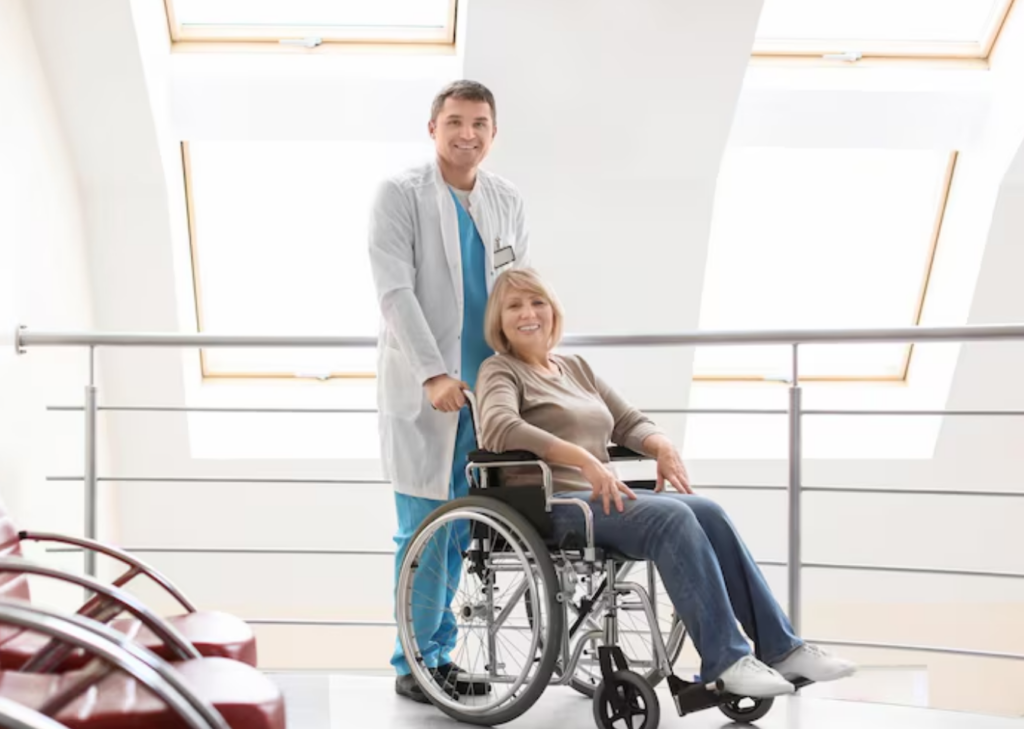
Traditional ‘one-on-one’ manual therapy is essential, but it has limitations in terms of intensity, precision, and consistency. Modern rehabilitation equipment was developed to overcome these limitations; it is not just a tool, but also an ‘extended rehabilitation therapist’.
What qualitative changes can they bring to rehabilitation?
1. Precise quantification, saying goodbye to vague perceptions: The device can objectively measure joint range of motion, muscle strength, and balance parameters, making progress ‘visible,’ greatly boosting patient confidence and therapist decision-making accuracy. 2. High repeatability and intensity: Provides continuous, stable, and accurate exercise patterns, which is the foundation for promoting brain neuroplasticity. 3. Motivation and immersion: Through gamified interactions and virtual reality scenarios, monotonous training becomes enjoyable, significantly increasing active participation. 4. Safety assurance: Training is conducted with weight reduction and protective structures, allowing early and safe attempts while reducing the risk of falls.

Accinte: Mitra Terpercaya Anda dalam Solusi Medis
Dengan fondasi yang kuat dalam bidang R & D dan pengalaman multidisiplin selama lebih dari 20 tahun, kami membagikan konten yang digerakkan oleh para ahli untuk membantu para profesional perawatan kesehatan, mitra, dan pasien agar tetap terinformasi dan terinspirasi. Baik itu terobosan produk, perkembangan peraturan, atau terapi yang sedang berkembang, kami membuat Anda tetap terhubung dengan hal yang paling penting.
posting terkait
-
Profesor Eric Bohemia Mengunjungi ACCINTE untuk Pertukaran Akademik dan Litbang
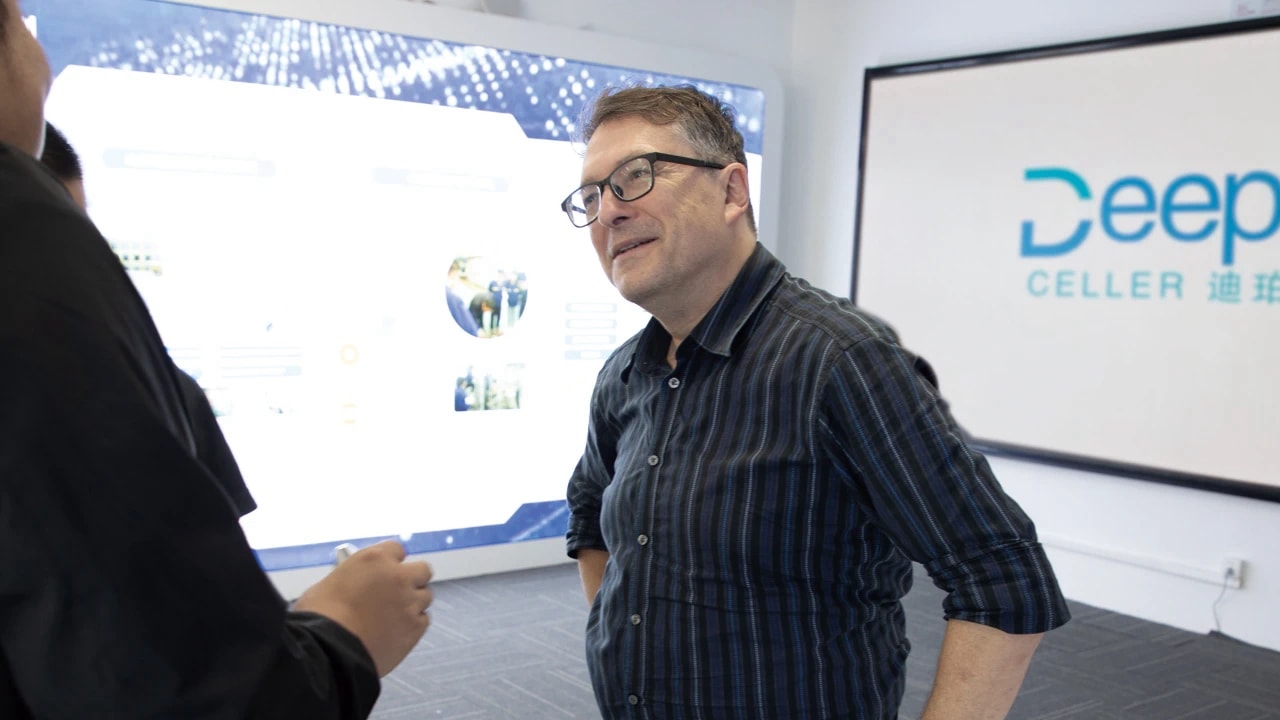
Profesor Eric Bohemia, presiden International Society for Academic Research on Design Innovation Management, anggota dewan International Society for Design Theory, dan supervisor doktoral di Loughborough University di Inggris, mengunjungi perusahaan kami untuk melakukan pertukaran. Profesor Eric telah mencapai keunggulan yang terkenal secara global dan memiliki pengaruh yang besar di bidangnya;
-
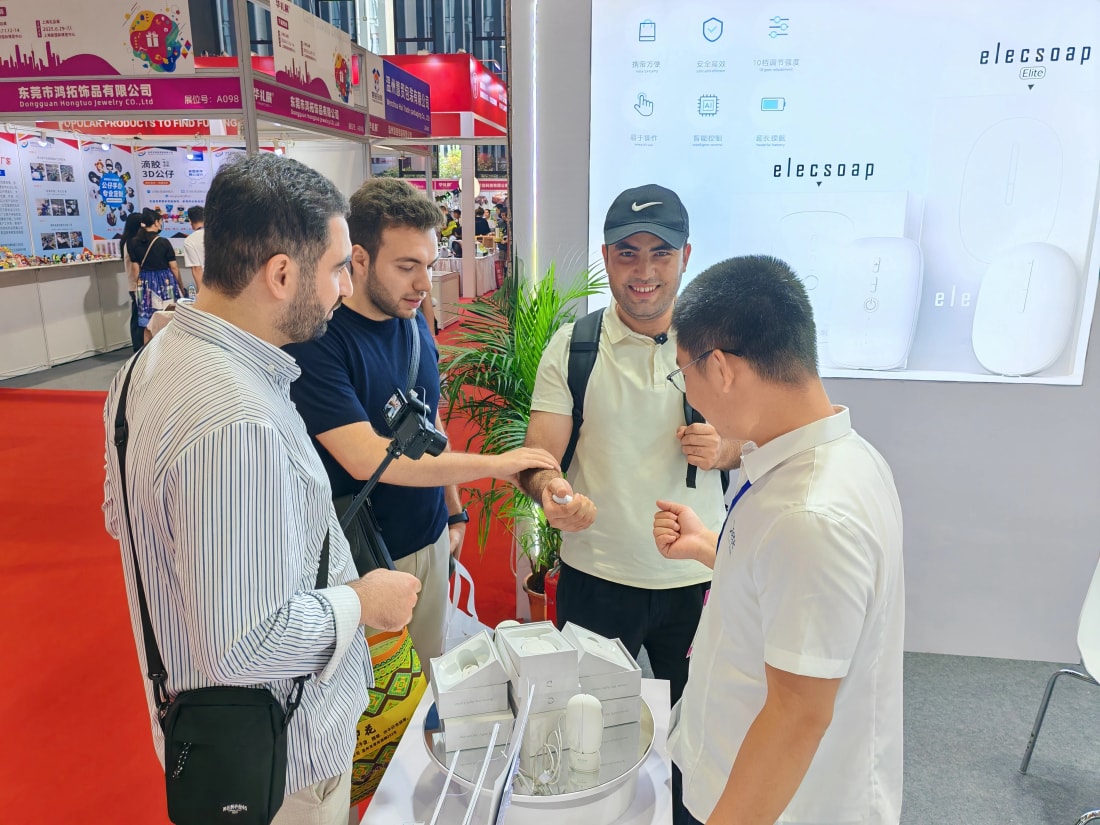
Sambutan Positif untuk Elecsoap di Pameran Industri
Alat pijat tangan Elecsoap mendapat pujian yang tinggi dari banyak pengunjung selama pameran, berkat teknologi inovatif dan pengalaman pengoperasian yang nyaman. Staf di tempat dengan sabar menjawab pertanyaan, memberikan saran profesional, dan melakukan pertukaran serta interaksi yang mendalam dengan para pengunjung.
-
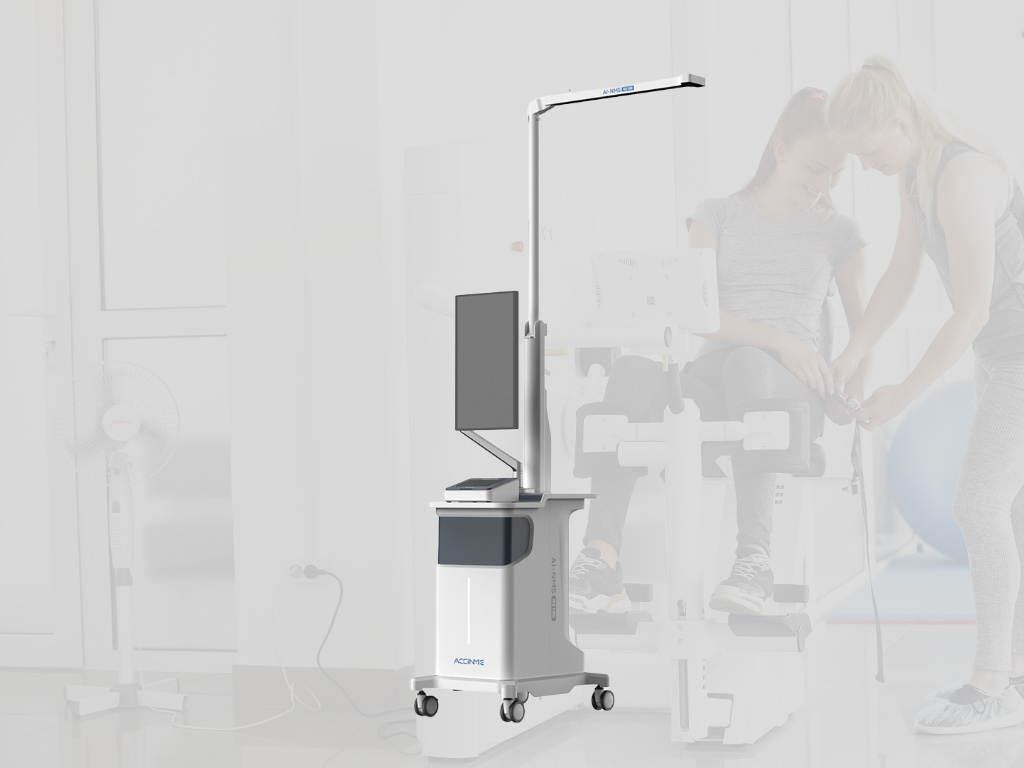
Masalahnya: Mengapa Perangkat Rehabilitasi Tradisional Gagal
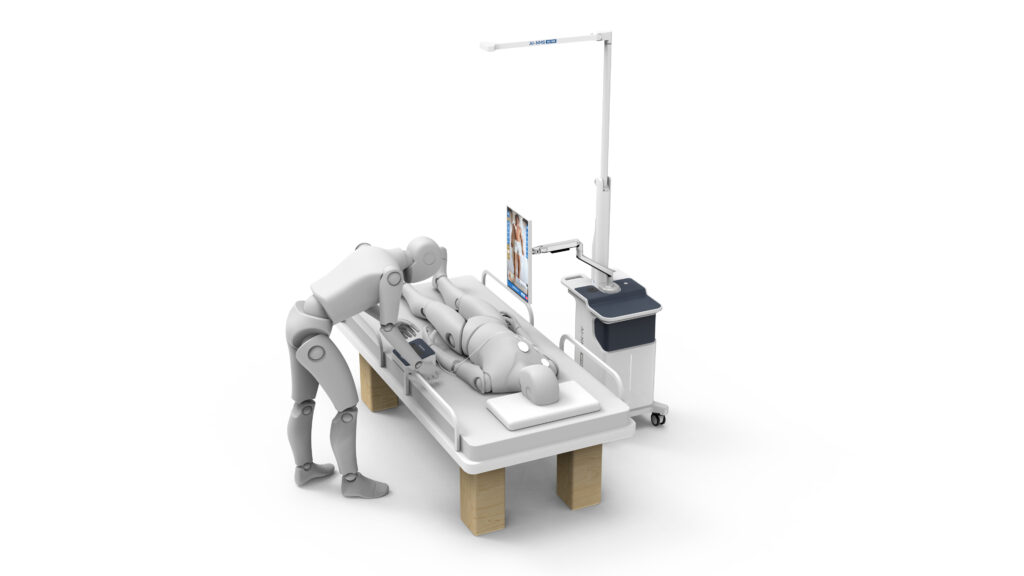
Selama beberapa dekade, perangkat rehabilitasi frekuensi rendah/menengah telah berjuang dengan satu kelemahan kritis: penargetan neuromuskuler yang tidak akurat, stimulasi generik sering kali meleset dari titik-titik motorik, sehingga menunda pemulihan dan mengurangi kepercayaan pasien. AI-NMS RS100 mengubah segalanya-memanfaatkan AI untuk memberikan akurasi yang tepat yang sebelumnya tidak mungkin dilakukan dengan alat konvensional. Terobosan: Penargetan Presisi Berbasis AI Sistem cerdas ini mengatasi kesalahan penargetan dengan menggunakan teknologi mutakhir: ✅…